


Supplier View
As a supplier to the mining and quarry sector, it is in our best interest to ensure the viability and sustainability of the industries that not only supply our sustenance but that of the global community too, for all that can’t be grown must be mined in some way.
However, that doesn’t mean that mining can’t be done more efficiently and in particular with a lower carbon footprint. With this in mind, Makuri endeavours to create greater sustainability with all its products to reduce wastage, increase efficiency and minimise consumption of valuable resources.
We have built our company around 4 key core values which we use in our everyday design processes to ensure we deliver the most sustainable outcomes for all stakeholders.
Core Values
- Design to allow for more complete use of liner life so, requiring less steel less often
- Design to allow for longer wear life liners of the same weight so, requiring less steel less often
- Design to allow for the full and most effective use of installed power so, making more efficient use of energy resources
- Design to allow for the more complete utilisation of installed assets so, making more effective use of capital
By adopting these core values, we contribute to effective environmental management by following the SASB, which is the main focus on managing Green House Gas emissions, Air Emissions, Energy Management, Water management, Waste Management, Workforce Health and safety, and supply chain management.
Customer View
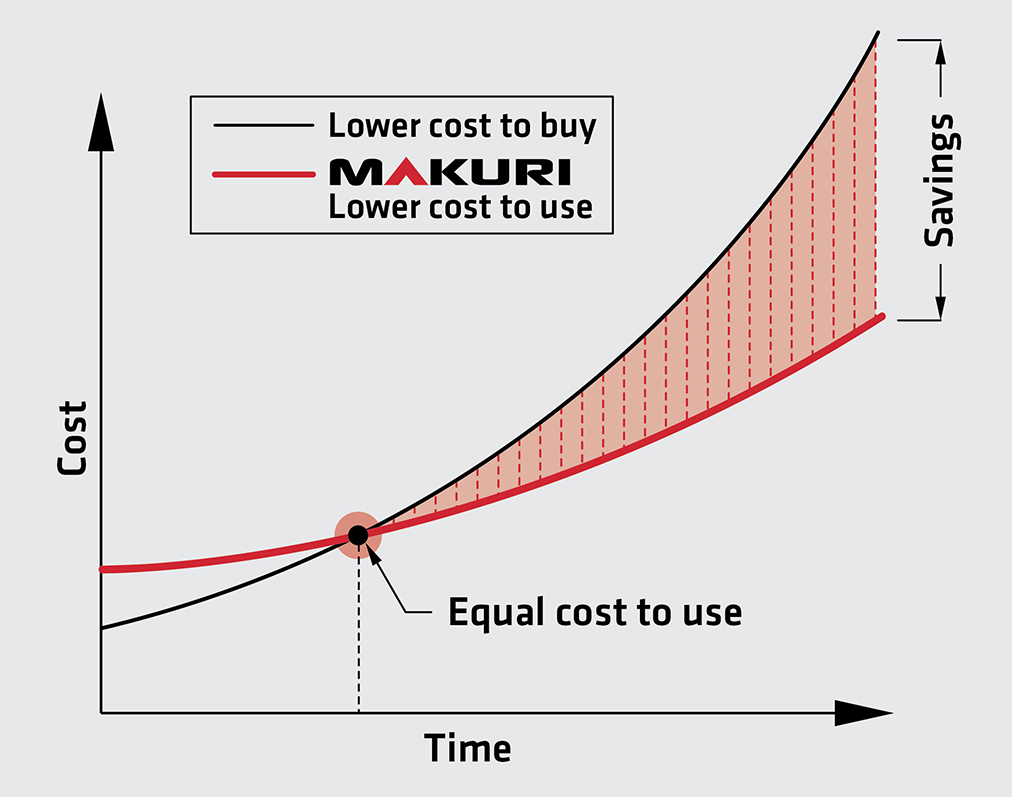
Mineral processing will always be a somewhat unattractive extraction and high energy-intensive industry. But, with help from suppliers, there are opportunities for contributing to greater sustainability and reduced carbon footprint. What is the total cost to use a high carbon footprint consumable wear product? It’s not as simple as the invoice price, which may well be less than 20% of the true cost to use and in some cases that have been fully explored, it’s been proven to be less than 5%.
As an industry that needs to improve its sustainability knowing the full costs and impact on all stakeholders of high carbon footprint consumable products is now a necessity. However, life cycle costing and true TCO cost models are somewhat problematic in that it’s not a simple one size fits all solution, but rather an individual model needs to be created for site location and specific applications. The Core cost drivers selected on one site may give a good guideline for other sites with the same equipment, but the Auxiliary drivers will vary based on jurisdiction and site-specific issues.
We work with our customers to develop site-specific cost models in the core expertise areas in which we work with the view of proving that “using less steel less often” and “maximizing the production capacity of installed assets” has significant benefits to all parties.
We are willing to partner with customers to work on the areas within our core business to maximise efficiency and productivity and document the results.
Some useful carbon footprint KPI are: